 EN
 NL
Leadership in Context
How does leadership become understandable within a particular cultural, organizational, and social context?
This question connects my coaching, research, and writing. It concerns how people come to recognize authority, interpret responsibility, and decide what good leadership requires. It also concerns the room they have to act when those expectations conflict.
My interest developed through work in education, organizational leadership, and international executive coaching. My doctoral research gave language to tensions I had encountered in practice. Those questions continue to develop through the people I work with and the situations they bring.
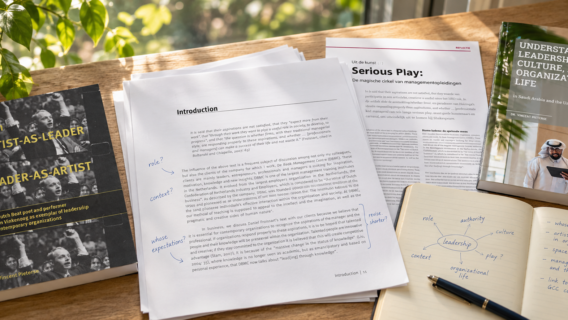

Leadership as performance
Leadership unfolds before audiences: colleagues, employees, boards, customers. People interpret what a leader says, how they act, and whether their actions fit expectations of authority, competence, and trust. Their responses help shape what happens next. This is the organizational theater explored in my research, a shared performance with real consequences.
From this perspective, a difficulty with leadership can involve the part someone is expected to play. An executive may be asked to invite challenge while maintaining an appearance of certainty. Someone who questions an established practice may encounter resistance that cannot be understood through their communication skills alone.
Coaching can help make these expectations visible and explore the possibilities and consequences of responding differently.
Play and the magic circle
Huizinga’s understanding of play adds another dimension. Play brings a world into being through shared participation, boundaries, and rules. Its seriousness depends on people’s involvement. Questioning the rules can therefore disturb something that participants value and rely on.
I find the magic circle a useful way to think about what coaching can make possible: a temporary space in which familiar expectations can loosen enough for exploration. We can try another way of describing an encounter, consider an unfamiliar position, or give an apparently unreasonable thought room to develop. The conversation can produce possibilities that neither of us brought into it.
There is a tension here. Coaching has its own rules and expectations, including the expectation to demonstrate useful results. An exploration can become a rehearsal for an already accepted image of the successful leader. The coach’s questions, interpretations, and professional authority help shape that process. Examining our participation matters too.
Metis and professional judgment
Metis, often translated as cunning intelligence, brings attention to resourcefulness in unfolding circumstances: recognizing an opening, sensing a moment, finding an indirect approach, or responding inventively when a plan no longer fits. Such judgment emerges through encounters with people and events. Its value depends on the situation and its consequences; ingenuity also requires ethical scrutiny.
For my clients, these perspectives open a particular kind of inquiry: where does a familiar leadership role help them, where does it constrain them, and what room exists to act differently? We explore the rules they depend on, the expectations they might renegotiate, and the responses that become possible as circumstances change.
We agree what progress would mean and examine changes in decisions, behavior, and relationships. Research and feedback inform that assessment. As our understanding develops, we may also need to reconsider the original question or the criteria for progress.
This gives coaching a role in developing judgment and imagination within organizational life. It creates room to work with the uncertainty that leaders encounter, while keeping their responsibilities and the consequences for others in view.
Education and the social world of learning
My professional life began in special education, first as a teacher and later as a school principal. Alongside that work, university study gave me opportunities to examine how people learn and develop. Vygotsky’s attention to language, social interaction, and the cultural conditions of development provided an early theoretical foundation.
My experience in education brought me close to the relationship between a person’s possibilities and the circumstances in which they were expected to learn. Organizational responsibility added questions about professional judgment, institutional expectations, and the consequences of decisions. Subsequent experiences and research changed and extended my understanding.
The human side of business
At de Baak, a Dutch institute for leadership development and entrepreneurship, this interest entered a different setting. We spoke of the human side of business. Working with colleagues on industry guides, I explored sectors where technological and economic developments were opening new possibilities. Questions about innovation and entrepreneurship were closely connected to questions about people, leadership, and organizing.
The emphasis on autonomy, creativity, and finding one’s own voice appealed to me. Over time, I became increasingly interested in the expectations carried by those ideals. What did we mean by authenticity? How did certain qualities come to define good leadership? What happened when an invitation to be oneself became an expectation to behave in recognizable ways?

From artist as leader to leader as artist
My doctoral research traces how artistic critiques of the 1950s avant-garde and 1960s counterculture helped shape contemporary leadership ideals. Through Dutch poet and performer Simon Vinkenoog, I examine how freedom, authenticity, and self-actualization became organizational expectations. The artist emerged as a model for the creative, connected, adaptable leader. This transformation carries a tension: freedom can become an obligation to remain flexible and make one’s individuality productive. The research also examines my own participation in communicating these ideals through leadership education.
Writing and working across contexts
My subsequent publications extended this inquiry through education, philosophy, film, and leadership development. I examined how schools are recognized as excellent, how leaders navigate expectations of authenticity, and the possibilities and paradoxes of play in leadership training. Writing on pedagogy brought questions about knowledge, creativity, and care into this continuing exploration.
Those questions continue to develop through my international coaching, including my work with IMD Business School and John Mattone Global. Familiar leadership language can carry different expectations across organizations and cultures. Understanding what responsibility, trust, or initiative means requires attention to the people and circumstances involved.
My own leadership experience keeps that inquiry connected to the need to act. Decisions have consequences, stakeholders have competing interests, and complete understanding is rarely available. The significance of a perspective becomes clearer through what happens when people work with it.
Leadership and organizational life in Saudi Arabia and the UAE
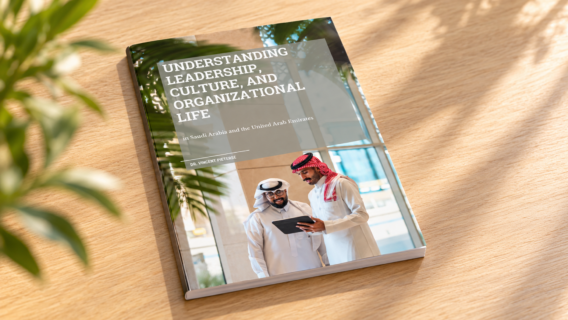
My book, Understanding Leadership, Culture, and Organizational Life in Saudi Arabia and the United Arab Emirates, brings together fourteen evidence-informed essays developed through research and professional experience.
The essays examine how authority, responsibility, and everyday organizational life become understandable within particular settings. Scholarship and practice remain in conversation throughout, with attention to what an observer’s own assumptions make visible or leave unexplored.
Selected writing
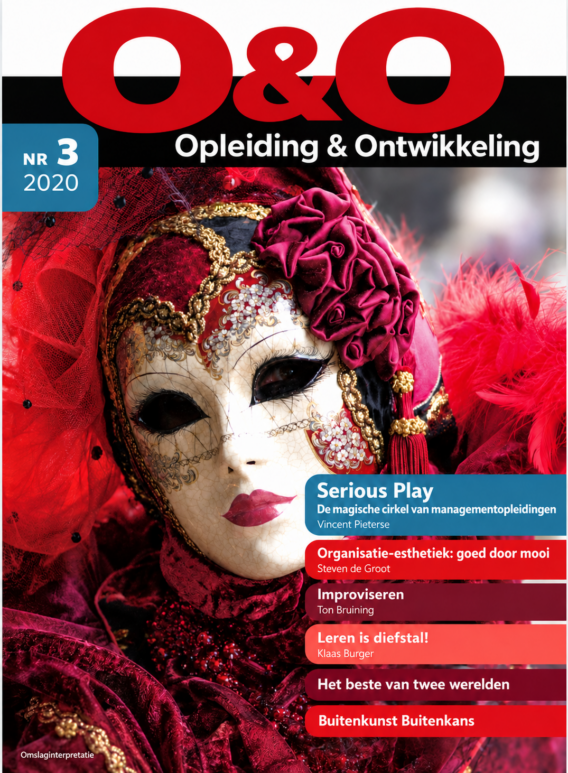
Serious Play: The Magic Circle of Leadership Training
Leadership training often presents play as a space for freedom, creativity, and experimentation. Drawing on Huizinga, avant-garde artists, and carnival, I examine what happens when that freedom is expected to serve predetermined organizational goals. Play can become a rehearsal for accepted behavior, losing its capacity to question the rules. The Shakespearean jester offers another possibility: making uncomfortable tensions discussable while navigating the limits of what an audience will tolerate.
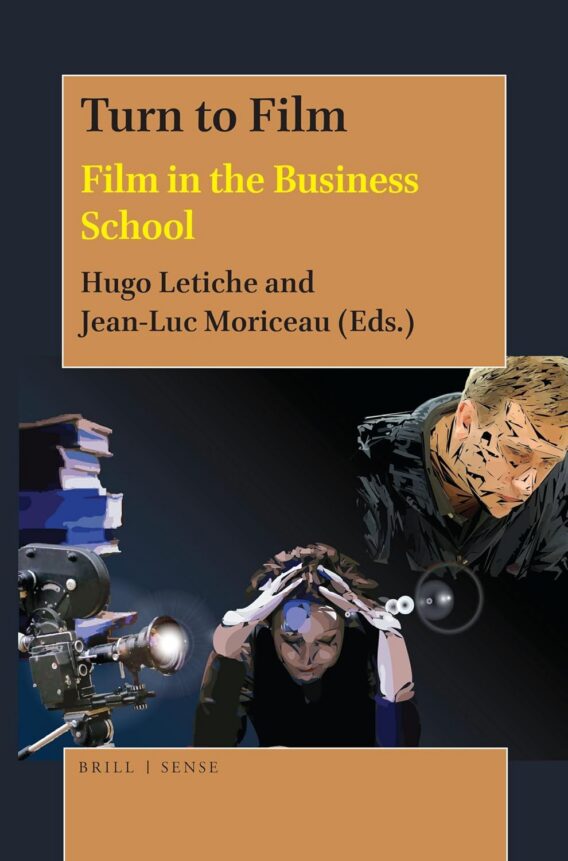
Do We Have a Leader?
Co-authored with Robert van Boeschoten, this chapter uses Nanni Moretti’s Habemus Papam to examine the conflicting demands of authentic leadership. Leaders are expected to be themselves while performing a role shaped by institutional expectations. Like the jester, they may be valued for standing apart, yet must remain acceptable within the order they question. The chapter explores how authenticity and theatricality become entangled, and how expectations of exemplary leadership can make the role impossible to inhabit.
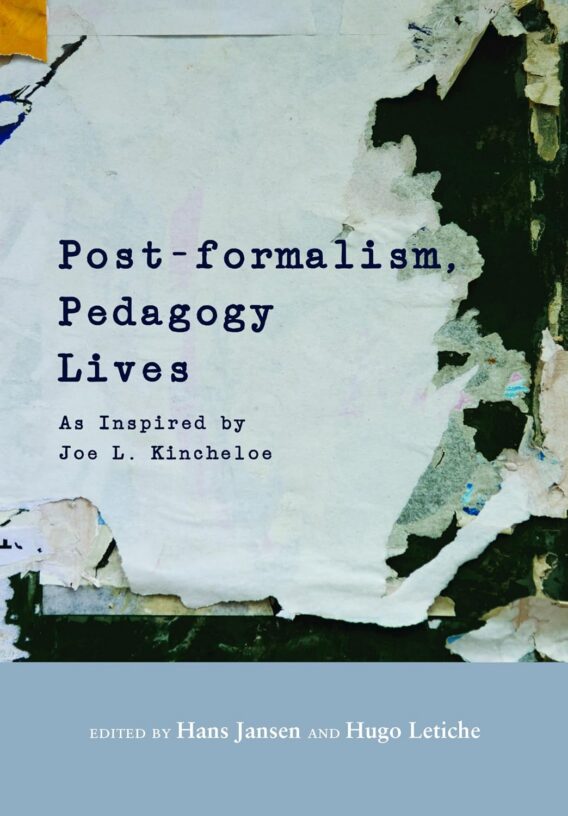
The Blue(s) Road of Knowledge
Drawing on the Beat poets, I explore how artistic freedom and social criticism can inform learning and the creation of knowledge. Reading Joe Kincheloe’s critical pedagogy through this perspective brings care, involvement, and ethical responsibility into focus. It also exposes a tension: when attention shifts from collective political change toward individual ethical responsibility, what happens to the possibility of acting together to change the conditions in which we live and learn?
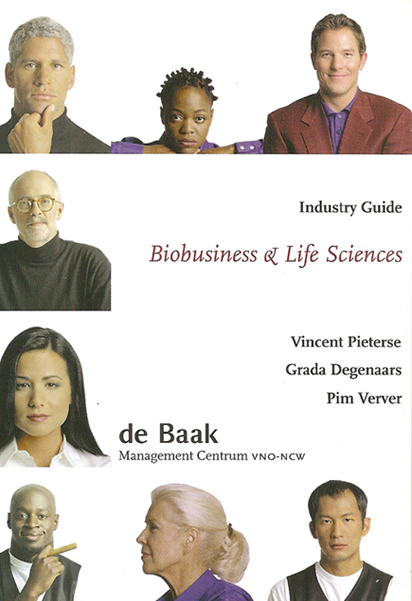
Industry Guides
At de Baak, I co-authored a series of Industry Guides covering bio-business and life sciences, information and communication technology, and integrated financial services. Published during a period of technological and economic change, the guides selected and organized key information sources within each sector. They offered readers a practical route into an expanding body of knowledge, supporting further exploration of these developing fields.
Examples from coaching practice

Published case · IMD Coaching Corner
Letting Go to Grow
An entrepreneur who had built a portfolio of six ventures discovered that repeatedly stepping in was limiting the CEOs he had appointed—and the life he wanted beyond business.
Composite practice vignette
When Being Helpful Gets in the Way of Leadership
A leader moving into a more senior role discovered that being responsive and helpful was keeping work at the top—and limiting ownership among those he now needed to lead through.
Illustrative leadership vignette
Between Personal Closeness and Formal Authority
When a strategic program began to lose momentum, a senior leader had to navigate a relationship in which formal hierarchy and longstanding personal loyalty had become difficult to separate.